The Rooftop View From 100 Feet: A Homeowner's Honest Guide to Drone Inspections
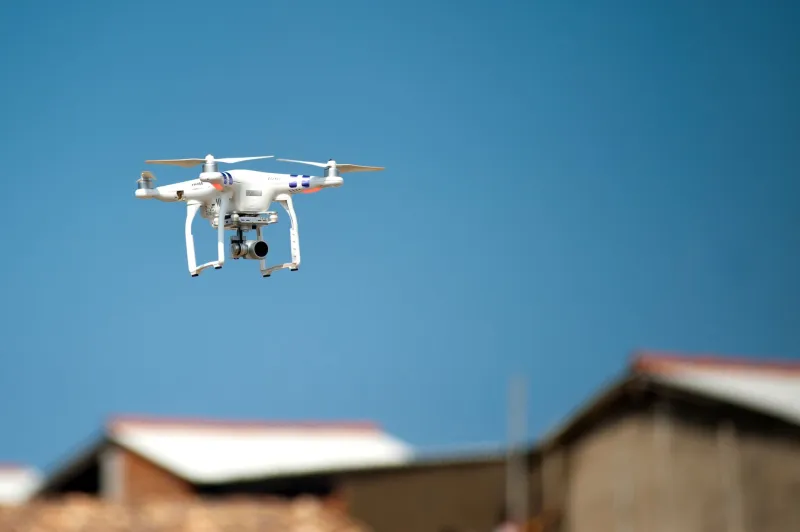
A decade ago, a roof inspection meant a ladder, a pair of binoculars, and a contractor doing an awkward crab walk along the ridge. In 2026, it often means a small aircraft hovering above your house while someone stares at a tablet. Drone inspections have moved from novelty to routine, and for good reason: they are safer, faster, and remarkably detailed. But they are also easy to oversell. A drone is a camera platform, not a crystal ball. Here is what it can do, what it cannot, and how to keep the whole process honest.
How a Drone Inspection Actually Works
A trained operator flies a planned pattern over your roof, capturing overlapping still images and often a short video. The flight usually takes 20 to 40 minutes, depending on roof size and complexity. Software stitches the images into a high-resolution map, and an inspector reviews the result for damage, wear, and installation defects. Nobody climbs, nobody leans a ladder against your gutters, and nobody walks on shingles that might be brittle from age or cold.
That last point matters more than people realize. Walking a roof causes wear. On an older or steep roof, a drone is often the gentler first look. It is also the practical choice for tall homes, tile roofs, metal roofs, and any house where ladder access is sketchy.
What the Camera Catches That Ground Eyes Miss
From the driveway, most roofs look fine. From 100 feet, with a good sensor and proper lighting, the story changes.
Hail bruising. Hail damage is not always a hole. It can look like granule loss, a soft dimple in the shingle mat, or a cluster of tiny fractures. Aerial images catch the bruising patterns and the telltale granule displacement around vents and ridge caps. What they cannot do is feel the shingle. That is why a good report pairs images with a physical check when hail is suspected.
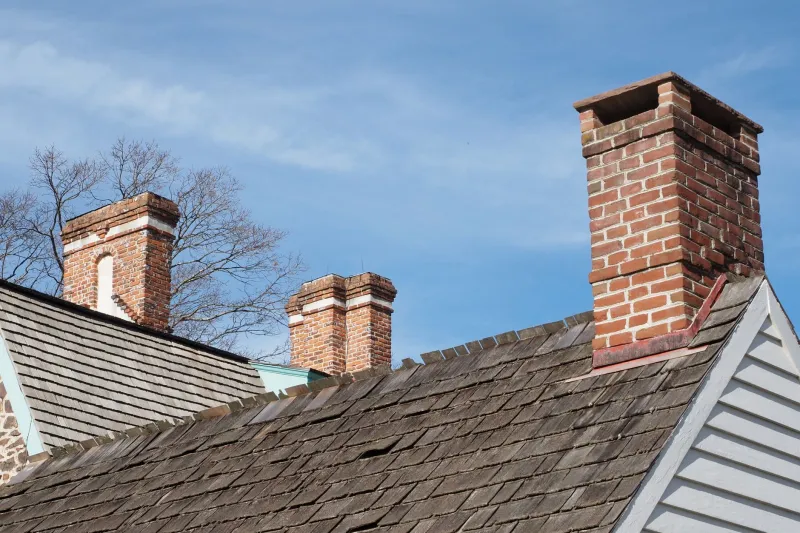
Flashing gaps. Step flashing around chimneys, counterflashing at walls, and the metal details around skylights are where leaks love to start. A drone with a zoom lens can show lifted edges, missing sealant, and gaps that are invisible from the ground. It will not tell you whether the flashing is actually leaking, but it will tell you where to look.
Ridge and hip damage. Ridge caps take the wind first. Lifted tabs, cracked caps, and exposed fasteners show up clearly from above. So do the little failures that precede bigger ones, like nail pops and loose vent boots.
Hidden ponding. Low spots, debris dams, and staining around drains are easier to spot from a bird's-eye view. If your roof has a flat or low-slope section, aerial imagery can reveal where water sits after a rain. It is not a substitute for a moisture scan, but it is a useful warning sign.
The edges and the ugly corners. Gutters pulling away, fascia rot, damaged drip edge, and debris piles in valleys all show up in a decent drone set. These are the details that ground-level inspections miss because nobody can see over the gutter line.
The Limits: When Someone Still Needs to Touch the Roof
A drone cannot lift a shingle and look underneath. It cannot press on decking to check for soft spots. It cannot inspect the attic side of the roof, where leaks often show up first as staining or daylight. It cannot test sealant adhesion or confirm whether a repair was done correctly under the surface.
So treat aerial imaging as a screening tool, not a final verdict. If the drone report shows suspicious areas, a hands-on inspection is still the right next step. The same goes for insurance claims. Adjusters may accept drone images as supporting evidence, but many still require a physical inspection before approving a full replacement. And manufacturer warranty claims often depend on a contractor verifying installation details in person.
Vetting the Person Flying the Drone
The drone itself is cheap. The judgment is not. In the US, commercial drone operators need an FAA Part 107 certificate, and a serious operator carries liability insurance. Ask for both. A real estate photographer with a drone is not a roofing inspector. Look for someone who understands shingles, flashing, and storm damage, not just camera angles.
At 10 Stars Roofing, we treat drone footage as a first look, not a sales pitch. The images go into the same five-star inspection process we use for every roof: document what is there, explain what matters, and separate cosmetic wear from functional failure. If a repair is not needed, we say so.
Privacy and the Neighbor Factor
A drone over your roof will probably see your neighbor's roof too. Good operators keep the camera pointed at the property being inspected, avoid hovering over adjacent homes, and never capture images through windows. Tell your neighbors before the flight if you can. It is a small courtesy that prevents a lot of suspicious staring. Also ask where the footage is stored and how long it is kept. You should be comfortable with the answer.
How to Read a Drone Report Without Getting Upsold
A legitimate report should include clear, dated images, an annotated map of the roof, and plain-language explanations of what each photo shows. Ask for the raw images, not just the slideshow. If the report says "storm damage" without showing bruising, fractures, or granule loss, ask for the specific evidence. If the photos are blurry, the findings are vague, or the contractor pushes you to sign a replacement contract on the spot, slow down.
Cosmetic issues exist. Granule wear, faded shingles, and minor staining are not automatically replacement triggers. Functional issues are different: active leaks, missing flashing, exposed fasteners, and structural soft spots. A good inspector will draw that line clearly and let you decide.
The Bottom Line
Drone inspections are a genuinely useful tool for US homeowners, especially on steep, tall, or older roofs. They catch things a ladder never will, and they do it without putting anyone at risk. But they are not a replacement for a hands-on inspection when something looks wrong. Use the drone to get the big picture, then use a qualified roofer to confirm the details. That combination is how you get a five-star roof decision instead of a phantom repair bill.