That $8,500 Bid vs. the $12,500 One: What You're Actually Paying For
Photo: Darioivweb, CC BY-SA 4.0, via Wikimedia Commons
Two Quotes, One Roof, Zero Clues
A homeowner in Ohio recently sent us two estimates for the same roof replacement. One came in at $8,500. The other hit $12,500. Guess which one they almost signed?
If you picked the cheaper one, you're not alone — and you're exactly who the lowball bidders are betting on. Let's crack open both quotes and see what's really going on.
Decoding the Estimate, Line by Line
A legit roofing quote should read like a recipe, not a fortune cookie. Here's what each section actually means:
Materials. This should name brands and product lines — not just "architectural shingles." There's a real difference between a builder-grade shingle rated for 25 years and a premium one rated for 50. If the quote says "shingles" and stops there, ask questions.
Underlayment. The water-resistant layer between your deck and shingles. Quality quotes specify synthetic underlayment and ice-and-water shield in valleys and eaves. Cheap quotes often lump this into a vague "materials" line — or skip upgraded protection entirely.
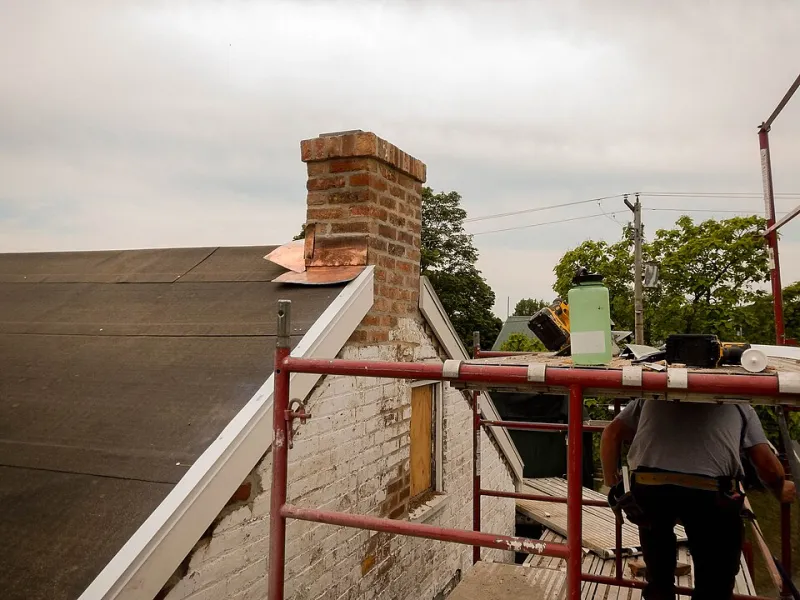
Flashing. The metal that seals chimneys, vents, and wall transitions. This is where leaks start. If a quote says "reuse existing flashing," you're paying for a new roof with old weaknesses.
Ventilation. Ridge vents, soffit vents, bath fan venting. Poor ventilation cooks your shingles from below and can void your warranty. If it's not on the quote, it's probably not happening.
Drip edge and gutters. Small stuff, big consequences. Missing drip edge lets water rot your fascia.
Labor and disposal. Should include tear-off, dumpster, magnetic sweep for nails, and permit fees. Watch for quotes that exclude permits — that's a sign the contractor may not be pulling them.
Warranty. Look for two things: the manufacturer's material warranty and the contractor's workmanship warranty. Ten years on workmanship is solid. "Warranty available upon request" is not.
The Side-by-Side That Explains the $4,000
| Line Item | $8,500 Bid | $12,500 Bid |
|---|---|---|
| Shingles | Unnamed builder-grade | Named brand, 30-yr architectural |
| Underlayment | Felt paper | Synthetic + ice-and-water shield |
| Flashing | Reuse existing | All-new step and counter flashing |
| Ventilation | Not mentioned | Ridge vent + balanced intake |
| Plywood | Not included | Decking replacement included per sheet |
| Workmanship warranty | 1 year | 10 years, transferable |
| Permits | Homeowner's responsibility | Included |
See it now? The cheap bid isn't cheaper — it's incomplete. That "not included" plywood line is the classic trap: once tear-off reveals rotten decking (and there's almost always some), you're hit with a change order at premium pricing. Same with the missing ice-and-water shield, which you'll wish you had during the first ice dam season.
Red Flags That Scream "Change Orders Coming"
- Line items that just say "allowance" with no specifics
- A big deposit demanded upfront — most states cap deposits, and reputable crews take 10–30%
- No insurance or licensing info on the quote
- Pressure to sign "today only" pricing
- A price that's dramatically below every other bid you got
Which Costs Are Actually Negotiable?
Fair question. Upgrade options (gutter guards, premium shingle colors) often have wiggle room. Timing matters too — contractors discount slow seasons. What's not negotiable without consequences: flashing, underlayment, ventilation, and labor quality. Those are the bones of the job.
Our Rule of Thumb
Get three quotes. Throw out the highest and the one that seems too good to be true. Then compare the middle bids line by line — not by bottom line. At 10 Stars Roofing, we'd rather explain a quote than win a bidding war, because the cheapest roof is only cheap until it isn't.