Flashing, Cleanup, and the Details Most Contractors Skip: Your Roof Job Report Card
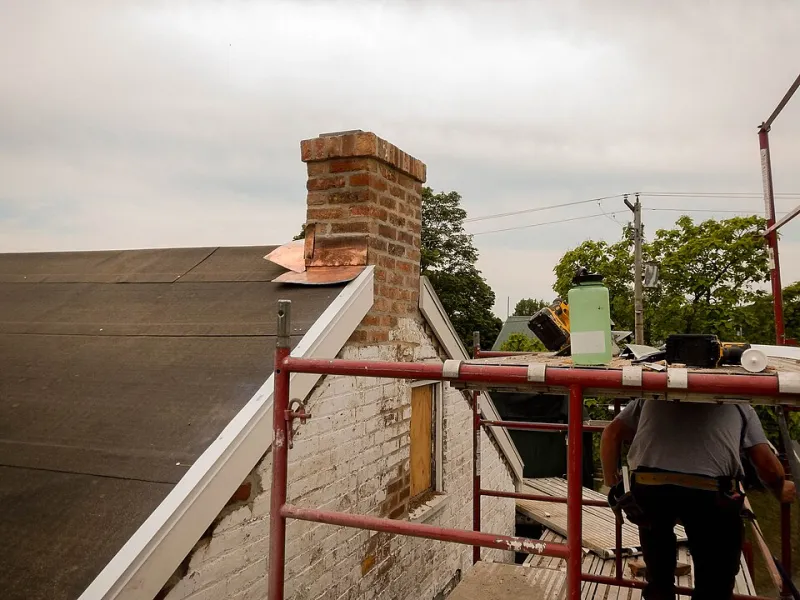
Photo: NPS Photo, Public domain, via Wikimedia Commons
Most homeowners can't tell a well-installed roof from a mediocre one on day one. Both look like neat rows of shingles from the driveway. The truth shows up around year seven, when the forgettable roof starts curling at the valleys or leaking around the chimney while the great one just keeps doing its job.
So how do you know which kind you're buying before the ladder goes up? You grade the job the way we would. Here's the checklist we hold ourselves to on every install — use it on your next quote.
Start With the Underlayment, Not the Shingles
Shingles get all the attention, but what's underneath does most of the quiet work. A five-star roof starts with quality synthetic underlayment across the entire deck — not bare felt, and definitely not gaps where the crew got lazy. In ice-prone northern states, ask whether ice-and-water shield membrane is going in the valleys, around penetrations, and along the eaves. If a contractor's quote doesn't mention underlayment at all, that's a red flag worth chasing down.
Flashing Is Where Roofs Are Won or Lost
If there's one thing that separates a ten-star job from a forgettable one, it's flashing. Look for:
- Step flashing tucked properly at every wall intersection, not a smear of caulk doing metal's job
- New flashing, not reused flashing — salvaging old flashing to save a few bucks is one of the most common shortcuts in the trade
- Kick-out flashing where the roof meets a sidewall, directing water into the gutter instead of down your siding
- A cricket behind the chimney on wider chimneys, so water doesn't pool and sit
Caulk is a patch. Metal is a system. Contractors who lean on sealant where flashing belongs are building you a maintenance schedule, not a roof.
Ventilation: The Boring Detail That Doubles Roof Life
An attic that can't breathe cooks your shingles from below and invites moisture, mold, and ice dams. A proper install balances intake vents at the soffits with exhaust at the ridge. Ask your contractor to show you the ventilation math — net free vent area relative to attic square footage. If they can't or won't explain it, keep shopping.
Grade the Crew, Not Just the Company
The salesperson gets you to sign. The crew determines whether you got your money's worth. Five-star crews show up with the materials staged, protect landscaping with tarps, use gutter guards and plywood to shield siding, and run magnets around the property at the end of every day — not just the last one.
Also worth asking: does the crew include the company's own trained installers, or is this a job getting handed to the lowest-bidding subcontractor that week? Neither answer is automatically disqualifying, but you deserve to know who's actually on your roof.
The Paper Trail Matters
A contractor you'd give ten stars to hands you:
- A written scope of work — materials, underlayment type, flashing plan, ventilation specs
- Manufacturer and workmanship warranties, in writing, with the registration steps explained
- Proof of licensing and liability insurance, current and verifiable
- A clear payment schedule that never demands a huge upfront sum
If the quote is a one-page number on a napkin, you're not comparing bids — you're comparing risks.
The Final Walkthrough: Don't Skip It
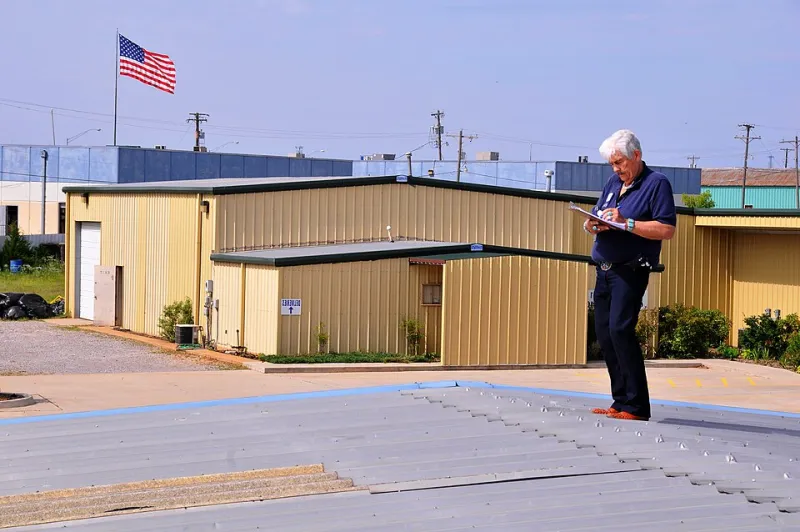
Before the last payment, walk the property. Lines of shingles should be straight, with no lifted tabs or exposed nails. Drip edge should be consistent. The yard should be magnet-swept clean, gutters flushed, and debris hauled away — not "coming next week."
A truly great roofer invites this inspection. They want you to look, because they know what you'll find. That confidence, as much as any shingle or coil of flashing, is what separates a five-star roof from a forgettable one.