Selling Soon? Your Roof Is Quietly Negotiating Against You
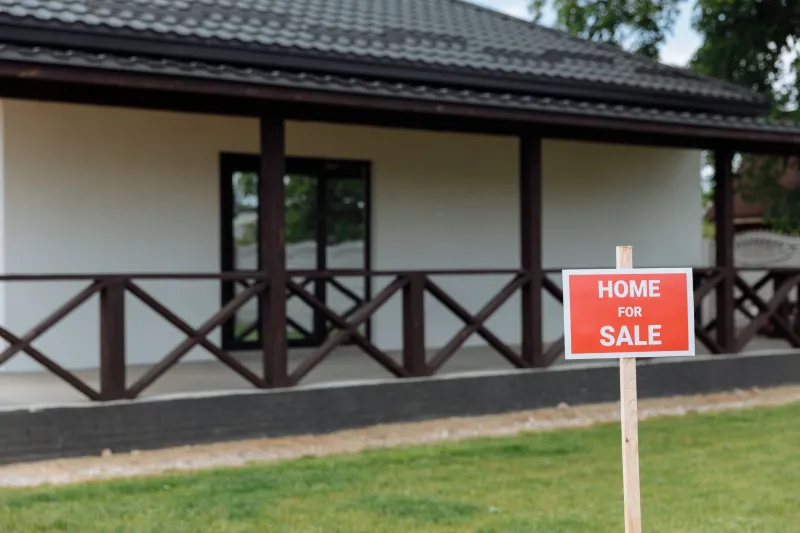
You've staged the living room, repainted the front door, and baked cookies for the open house. Meanwhile, the thing that might sink your sale price is sitting right on top of everything — silently, in plain view.
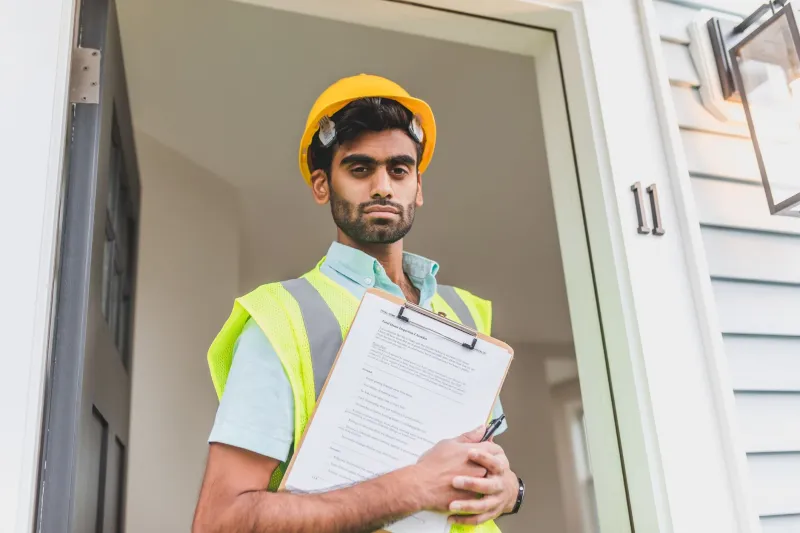
Your roof doesn't get showings, but it gets inspected. And when a buyer's inspector climbs up there and finds curling shingles on a 19-year-old asphalt roof, that discovery has a funny way of becoming a $9,000 credit request two days before closing.
Let's talk about what your roof actually does to your bottom line when you sell.
The Inspection Is Where Roofs Cost Sellers Money
In most US transactions, the buyer's home inspection is where roof problems go from "nobody's business" to "everybody's negotiation leverage." Inspectors flag anything from active leaks and missing shingles to the softer issue that scares buyers even more: age.
A roof with 5+ years of life left is a footnote in a report. A roof at the end of its service life becomes a line item. And here's the kicker — buyers rarely ask for the actual cost of a repair. They ask for a new roof, priced at the worst number their contractor friend could find, minus a little extra for their trouble.
A $6,500 replacement can easily turn into a $10,000 credit request. That's the negotiation tax on an aging roof.
What the Appraiser Sees
If your buyer is financing with an FHA or VA loan — common with first-time buyers — the appraiser isn't just valuing the roof, they're ruling on it. Both loan programs require the roof to be structurally sound and free of leaks that threaten livability. A failing roof can hold up the entire loan, which means it can hold up your sale.
Conventional loans are more forgiving, but a rough roof still drags down appraised value in the appraiser's condition ratings. Lower condition rating, lower comps, lower number on the paper.
The Insurance Red Flag Nobody Mentions Until Late
Here's one that catches sellers off guard: buyers have to insure the house before closing. If your roof is 20+ years old, some carriers will decline coverage or demand a roof inspection first. No insurance, no mortgage. No mortgage, no sale.
If your roof is pushing that age, expect this question early — sometimes before the offer is even signed.
Replace Before Listing, or Disclose and Discount?
This is the decision, and it comes down to math and market.
Replace first if:
- Your roof is at or near the end of its life (18–25 years for standard asphalt shingles)
- You've had active leaks or visible damage
- Your local market has lots of move-in-ready competition
A new roof is one of the few projects that recoups a large share of its cost at sale — national cost-vs-value reports regularly put asphalt roof replacement resale recoupment in the 55–60% range, often higher in storm-prone states where buyers know a roof matters. Plus, "new roof 2025" in a listing line is genuinely persuasive.
Disclose and discount if:
- The roof has meaningful life left but isn't pretty
- You're selling as-is or in a hot market where buyers waive contingencies
- You can't finance the replacement before closing
In that case, disclose the roof's age and any known issues in writing, get your own inspection or repair estimate so you control the narrative, and price the discount into your list price rather than bleeding it out in negotiation. Sellers who volunteer the roof's age with a repair estimate attached consistently fare better than sellers who get surprised.
The Pre-Listing Roof Checkup
Before the sign goes in the yard, do this:
- Walk the perimeter. Look for lifted, cracked, or missing shingles from the ground with binoculars.
- Check the attic. Water stains, daylight through the decking, or matted insulation near vents are red flags.
- Know your roof's birthday. Pull the permit or invoice from the original installation — buyers and their inspectors will ask.
- Get a professional inspection. A few hundred dollars now can save you a five-figure credit demand later, and a clean inspection report is a selling asset you can hand to buyers directly.
The Bottom Line
Your roof is part of the negotiation whether you participate or not. Either you show up with documentation, a known condition, and a plan — or the buyer's inspector shows up and writes the story for you.
At 10 Stars Roofing, we do pre-listing roof inspections and honest life-expectancy assessments all the time. Sometimes the right answer is a full replacement. Sometimes it's a $400 flashing repair and a confident disclosure form. The only wrong answer is finding out during the buyer's inspection.
Five stars on your roof. Five stars on your closing paperwork. That's the goal.