One New Roof, Whole Block Ripple: What Happens to Your Street When Someone Upgrades
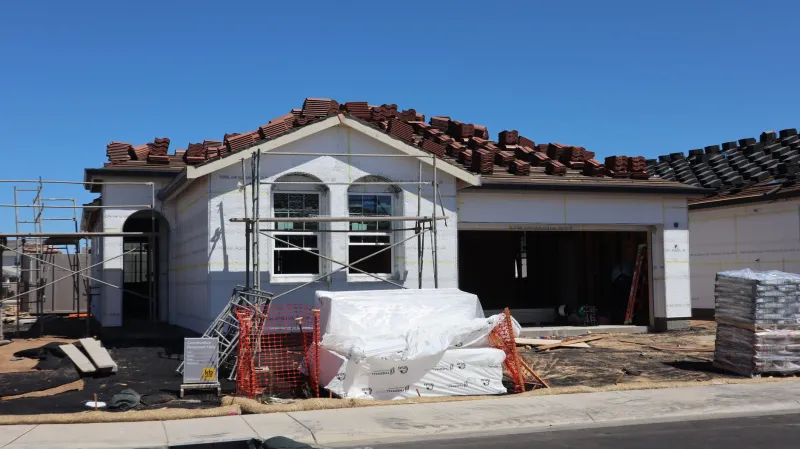
A crew shows up on Maple Street on a Tuesday. By Friday, the Hendersons have a brand-new architectural shingle roof in weathered wood, and honestly, it looks sharp. Fast-forward six months, and three more houses on the block have re-roofed. Coincidence? Not exactly.
We call it the neighbor clause — the unofficial rule that one visible upgrade changes the baseline for an entire street. And if you're weighing a roof replacement, it's worth understanding how that ripple actually works.
Appraisers Notice the Best Roof on the Block — and the Worst
Here's something appraisers will tell you off the record: they don't just evaluate your house. They evaluate it in context. A comps report pulls recent sales nearby, but the condition of surrounding homes colors the picture.
If your roof is the tired, curling one on a street of fresh installations, you're not just losing points for your own roof — you're dragging against a rising neighborhood standard. Appraisers may adjust for deferred maintenance, and buyers absolutely will. On the flip side, if your roof is the newest and cleanest, you become the comp that other homes get measured against. That's leverage in a negotiation.
A realtor in a suburb outside Dallas put it to us this way: "Nobody lists a house and says 'new roof' as a footnote anymore. On a lot of streets, it's the headline." With asphalt shingle replacements commonly running $12,000 to $20,000 in much of the US, buyers know exactly what they're avoiding when they see a recent install date on the disclosure.
The Domino Effect Is Real
Why does one roof often turn into four? A few reasons:
- Visibility. Roofing crews and dumpsters are basically neighborhood advertising. People watch the process, ask questions, and get quotes.
- Storm clustering. Hail and wind events damage roofs in patterns. When one neighbor's insurance claim gets approved, others check theirs — often finding similar damage.
- Curb appeal pressure. Once one house visibly levels up, the contrast makes older roofs look older. Psychologists call this contrast effect; realtors just call it motivation.
If a big hailstorm rolled through your area recently, talk to your neighbors. Insurance carriers handle clustered claims all the time, and a public adjuster or reputable contractor can help you document damage before deadlines pass.
Should You Match the Neighborhood or Stand Out?
This is the question we get most. Short answer: match the quality tier, stay flexible on the color.
Appraisers and realtors generally agree that dramatically deviating from neighborhood norms — think standing-seam metal on a street of three-tab asphalt ranches — rarely returns the full investment at sale. The appraisal principle of conformity is real: homes perform best when they're consistent with the surrounding area in style and finish level.
But color and profile? That's where you have room. A weathered wood architectural shingle on a street of charcoal roofs won't hurt your value, and if it suits the house, go for it. What hurts value is being the worst roof, not the different roof.
HOA Rules and Insurance Rates: The Fine Print Nobody Reads
Two practical wrinkles worth flagging:
HOAs. If you're in a community association, check your covenants before picking shingles. Many HOAs maintain approved color palettes and material lists. Some newer HOAs actually require periodic roof replacement or specific impact-resistant materials — worth knowing before your board sends a letter.
Insurance. Here's the underrated angle: upgrading from basic three-tab to impact-resistant Class 4 shingles can earn discounts on your premium in many states, especially hail-prone ones like Colorado, Texas, and Oklahoma. Some carriers now factor roof age heavily into renewal decisions — a 25-year-old roof can mean non-renewal, while a new one can mean better terms. Call your agent before you buy, not after.
The Bottom Line for Your Block
A roof replacement isn't just a repair — it's a neighborhood event. It shifts the appraisal baseline, nudges neighbors toward their own projects, and can move your insurance and resale math more than most interior upgrades ever will.
If the Hendersons just re-roofed, take it as a friendly prompt: get an inspection, know your roof's age, and find out where you stand. Being proactive beats being the house every buyer's agent points at and whispers about.
Five stars for your roof. Turns out that's good for the whole street.