When the Adjuster Knocks: Getting Your Storm Damage Claim Taken Seriously
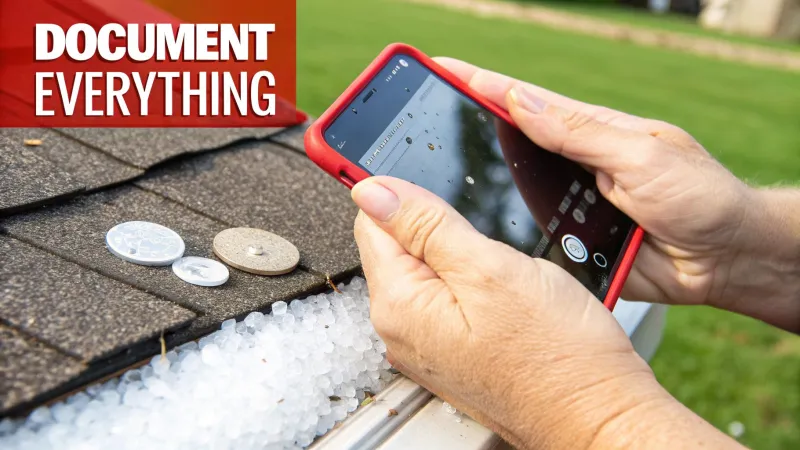
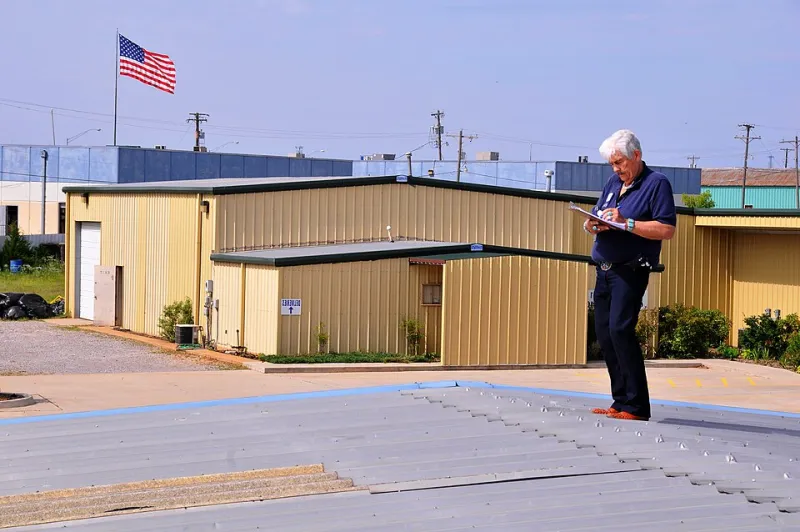
Photo: insurance adjuster inspecting storm damaged roof with clipboard, via cdn.outrank.so
The storm passes, the sun comes out, and within a day or two, your insurance company schedules an adjuster to swing by. That visit can feel like a formality. It isn't. Adjusters are often working dozens of claims a week during storm season, and the ones with clear documentation and a homeowner who knows what they're looking at tend to move faster and settle fairer.
Here's how to make sure your roof claim gets the treatment it deserves.
Document Everything Before Anyone Touches the Roof
Ideally, the photos start before the storm ever hits. If you have last year's inspection photos, dig them up — they establish the roof's pre-storm condition, which is half the battle in any claim.
After the storm, take wide shots of the whole property plus close-ups of anything suspicious: lifted or creased shingles, dented vents and gutters, damaged soft metals, granules piling up in gutters or at the base of downspouts. Timestamp your photos if your phone allows it. Inside the house, photograph any ceiling stains or drips, and note the date and time.
One more thing: get the date and approximate time of the storm. Adjusters cross-reference claims against weather data, and a claim that doesn't line up with a documented hail or wind event in your area is far easier to deny.
Know What Adjusters Actually Look For
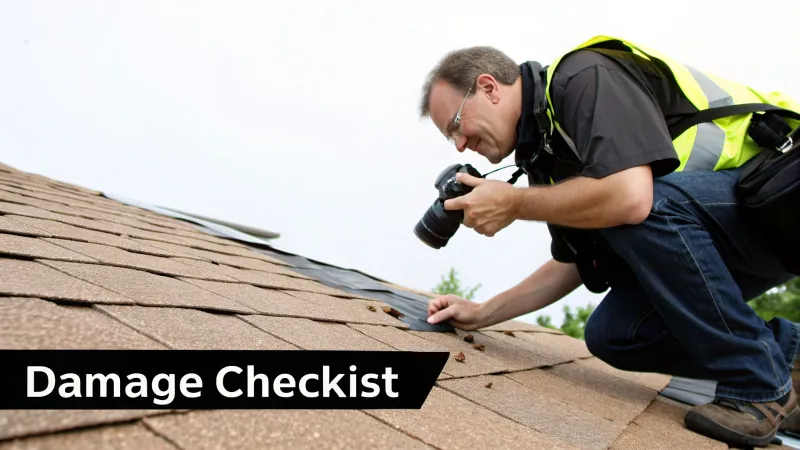
Wind and hail damage has a signature. Hail leaves circular bruising on shingles — soft spots where granules have been knocked loose — plus dings on soft metals like flashing, vent caps, and air conditioner fins. Wind damage shows up as creased, lifted, or missing shingles, often concentrated on windward slopes, ridges, and edges.
A shingle here and there won't move the needle. Most policies pay for replacement when damage is widespread across a slope or the whole roof, so the adjuster is counting hits per testing square — typically marking off a 10' x 10' section and tallying bruised shingles. If your adjuster spends five minutes on the ground and never pulls a ladder out, that's worth a polite question.
Read the Report Before You Accept It
Adjusters produce a report listing the damages they've acknowledged, measurements, and a payout figure — often via Actual Cash Value first, with depreciation recovered later under RCV policies. Request a full copy. Check the line items: Are they using current-code materials like synthetic underlayment and ice-and-water shield? Did they include flashing, ridge cap, and starter courses, or only the field shingles? Missing line items are where payouts quietly shrink.
When to Bring in a Contractor
Here's a truth the industry doesn't advertise: you're allowed to have your roofer present for the adjuster's inspection. A reputable local contractor who works storm claims regularly can point out damage an adjuster might miss — and more importantly, can spot damage that isn't storm-related, like old wear or improper installation, before it muddies your claim.
If your claim comes back denied or the number feels low, ask for the report, get a second opinion from a licensed contractor, and request a re-inspection. You can also invoke the appraisal clause in your policy, which brings in an independent appraisal of the loss. Denial isn't the end of the road — it's often just the first draft.
A Few Don'ts
- Don't sign anything from a door-knocker who showed up right after the storm promising to "handle everything"
- Don't let anyone file a claim for damage you haven't verified — too many claims can raise your rates
- Don't throw away damaged shingles or materials until the claim is settled
Storm damage is stressful enough. Walk into that adjuster meeting with photos, dates, and a contractor you trust on speed dial, and you'll get a claim process that actually earns its five stars.