Before You Dial a Roofer: The 10-Point Homeowner's Roof Checkup

Photo: USDAgov, Public domain, via Wikimedia Commons
Here's a secret most roofing companies won't volunteer: you can learn a lot about your roof without ever leaving the ground. In fact, we'd rather you check things out yourself first. Why? Because homeowners who understand what's going on up there make better decisions — and better decisions mean better roofs.
So pour some coffee, grab a notepad, and let's walk through ten things you can check this weekend. We've built this around our own 10-point scorecard, because hey — the name's right there in our web address.
Ground Rules First (Literally)
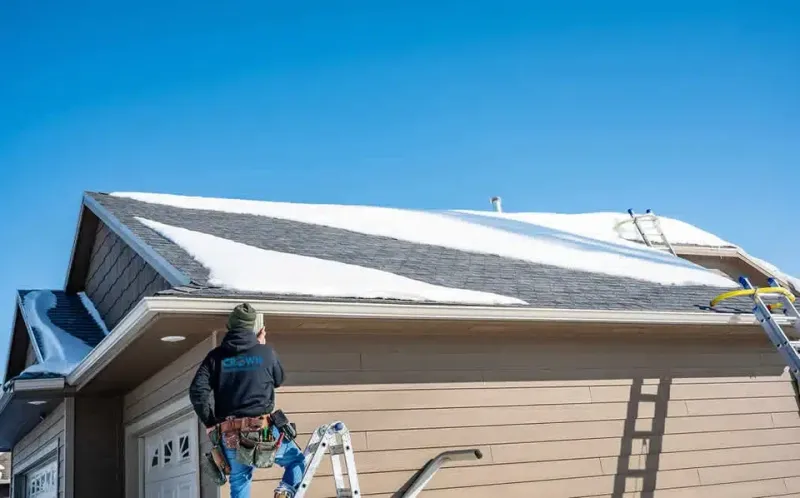
Everything below can be done from your yard, your driveway, or your attic. If you're tempted to drag out the ladder, don't. More roofing contractors get injured on ladders than homeowners realize, and nothing on this list requires altitude. Binoculars, a phone camera with a decent zoom, and a flashlight cover it all.
Points 1–3: The View From the Yard
Point 1 — The shingle line. Stand back far enough to see the whole slope and scan the rows. Are they lying flat and even, or do you see curling edges, buckled spots, or shingles that look like they're lifting at the corners? Curling usually means the shingles are aging out. Lifting often means the sealant strip has failed — common after big wind events.
Point 2 — Bald spots and granules. Dark patches where shingles look shiny or patchy mean granules have washed away. Check the ground near your downspouts, too. A handful of granules after a rainstorm is normal on an older roof; a gravel driveway's worth is not.
Point 3 — Missing or displaced shingles. This one's obvious but worth confirming with a zoomed-in phone photo. A single missing shingle is a $200 fix. Six months of ignoring it can turn into decking rot and a four-figure repair.
Points 4–6: The Perimeter Check
Point 4 — Gutters and downspouts. Are they sagging, pulling away, or full of shingle grit? Granule-heavy gutters on a roof younger than 15 years is a flag worth noting.
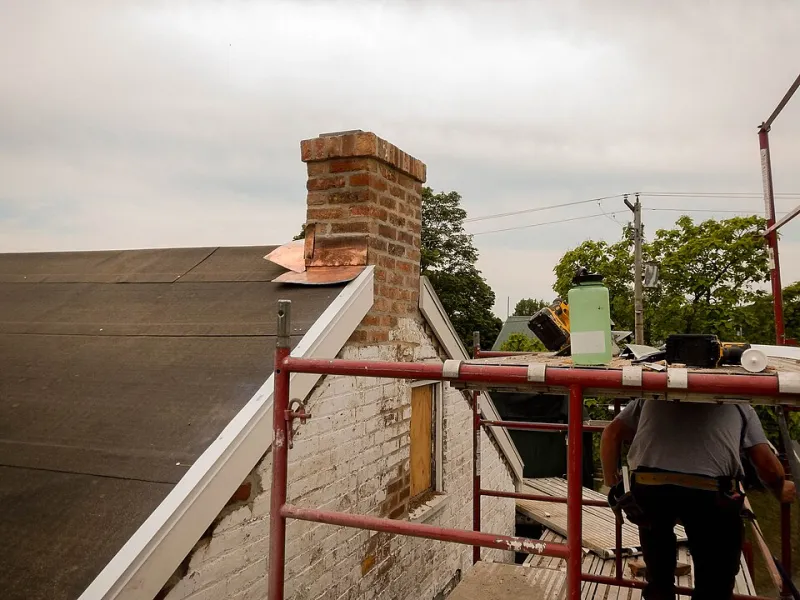
Point 5 — Flashing and penetrations. Look at anywhere the roof meets something else — the chimney, vent pipes, skylights. Binoculars will show you whether the metal flashing looks bent, rusted, or gapped. Flashing failures cause more leaks than old shingles do, hands down.
Point 6 — The soffits and fascia. Peer up under the roof overhang. Peeling paint, dark streaks, or sagging soffit panels can signal moisture problems that started above.
Points 7–8: Head Into the Attic
Wait for a bright day, then climb up with your flashlight.
Point 7 — Light and water stains. Turn the flashlight off for a second. Any daylight poking through the sheathing? That's a hole. Then scan the plywood and rafters for brown stains, water rings, or dark streaks. Note that an old stain doesn't mean an active leak — press a tissue against it. Damp tissue means it's live.
Point 8 — Insulation and mold. Matted, clumped, or compressed insulation in one area often points to moisture above it. A musty smell or black spotting on the wood means the leak has been there a while.
Points 9–10: The Big Picture
Point 9 — Age and history. Dig up your records (or ask the previous owner). An asphalt shingle roof in most US climates lasts 20–25 years. If yours is pushing 18+, your scorecard should reflect that — age amplifies every other issue on this list.
Point 10 — Vegetation and debris. Overhanging branches, moss patches, or a roof that never dries out? Trim the trees, note the moss, and add it to your file.
Scoring It
Give yourself a point for each item that checks out clean. Here's how we'd read it:
- 9–10 stars: You're in great shape. Recheck next season.
- 6–8 stars: Time for a professional inspection — soon, but not tonight.
- 5 stars or fewer, or any active leak: That's an urgent call. Water doesn't wait, and neither should you.
Snap photos of everything you find, date them, and keep them in one folder. When you do call a contractor, that documentation speeds up the estimate, strengthens any insurance claim, and shows the crew exactly where to start.
A little ground-level homework goes a long way. And when your scorecard says it's time — you know where to find us.